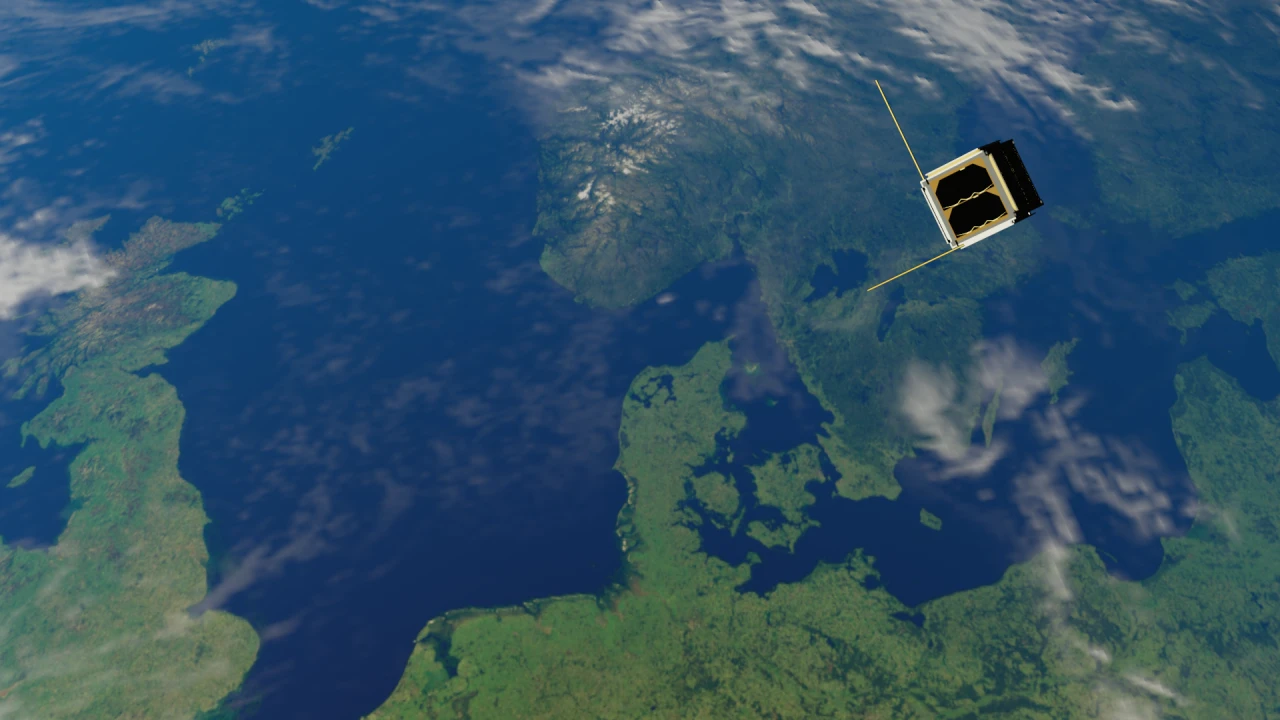
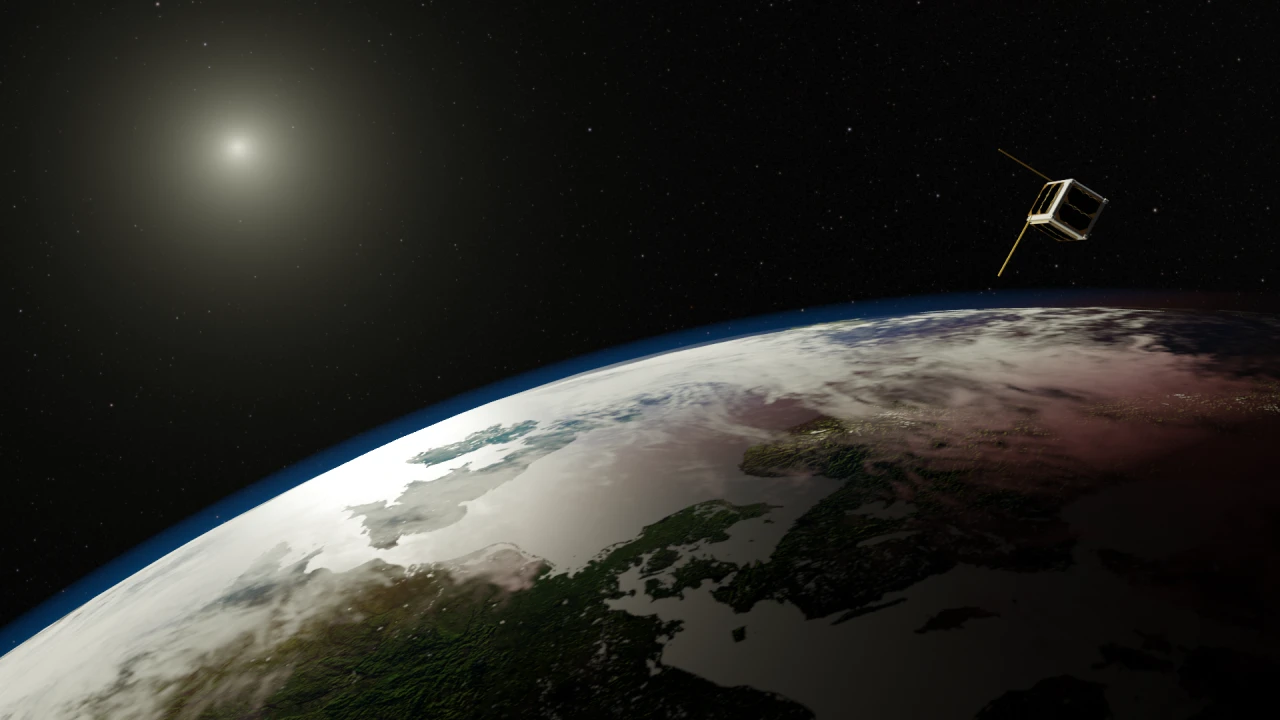
FIRST SATELLITE OF THE DISCO PROGRAM
1U CubeSat • Designed 2020–2023 • Launched 2023 • End of mission 2025
DISCO-1 marked the beginning of the Danish Student CubeSat Program (DISCO). Designed and operated by student teams from Danish universities, it served as a hands-on learning platform in aerospace engineering, radio communications and mission operations. From launch in April 2023 to atmospheric reentry in January 2025, DISCO-1 played a key role in demonstrating the feasibility of student-led space missions in Denmark.
DISCO-1 was designed to give university students hands-on experience with real space engineering. The mission served as a national learning platform, providing practical training in spacecraft design, radio communications, mission operations, and regulatory processes.
Beyond its educational goals, DISCO-1 aimed to demonstrate the use of machine learning in space on a Coral Dev Board Mini single-board computer with a TPU coprocessor, as well as a UHF radio that could be used as a digipeater service for the global amateur-radio community.
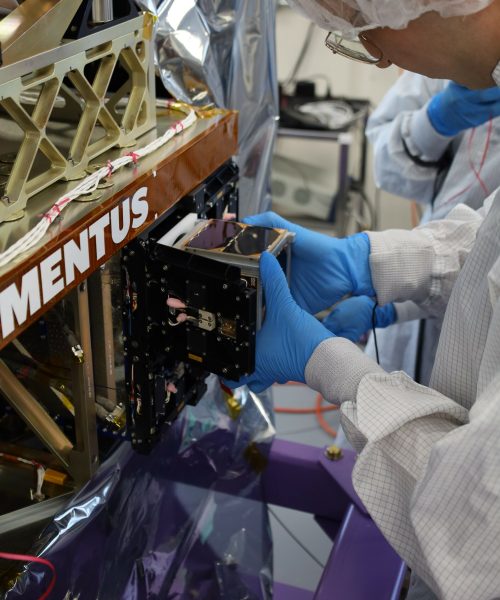
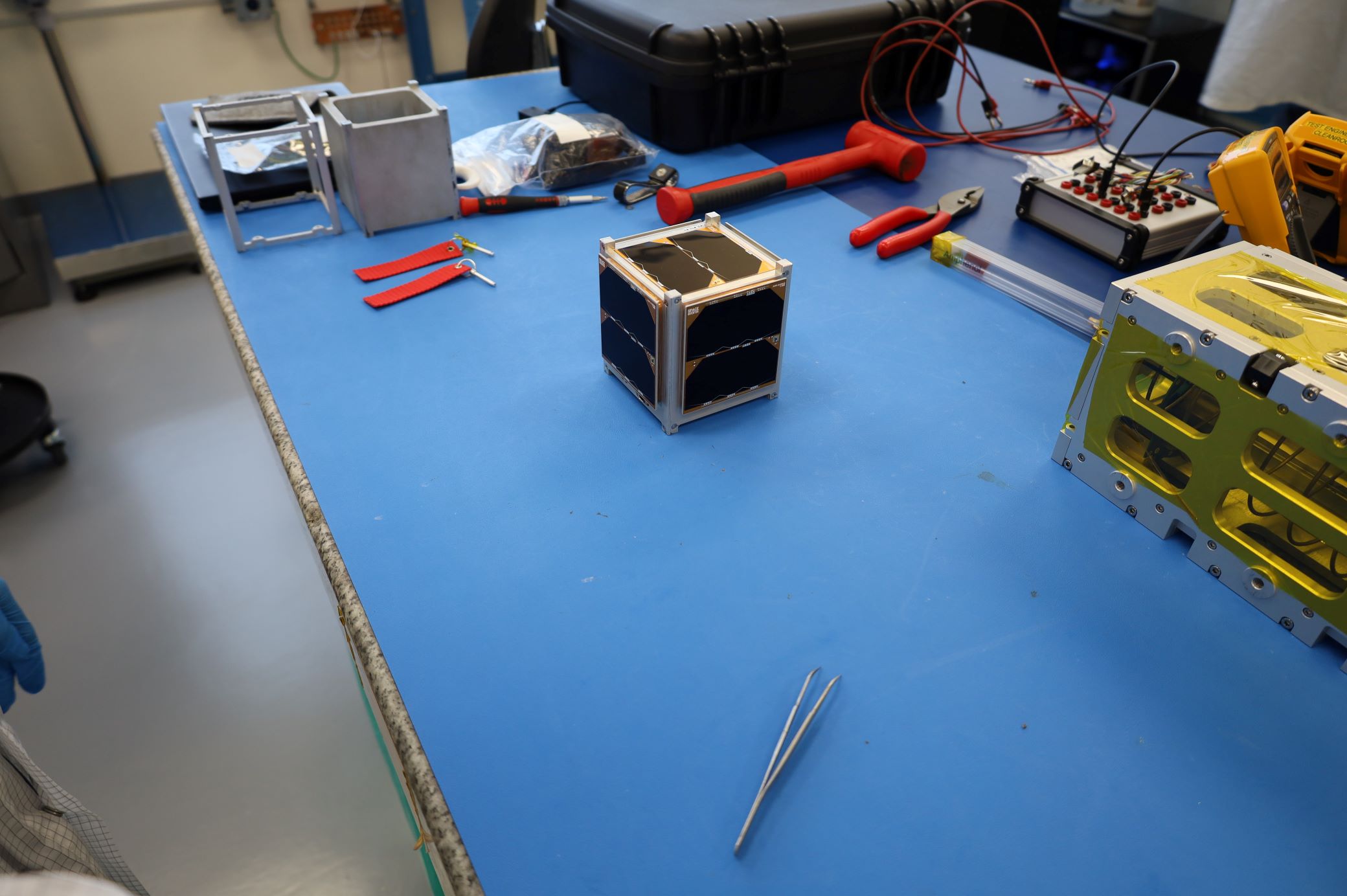
DISCO-1 is a 1U CubeSat, measuring 10 × 10 × 10 cm and weighing roughly 1 kg.
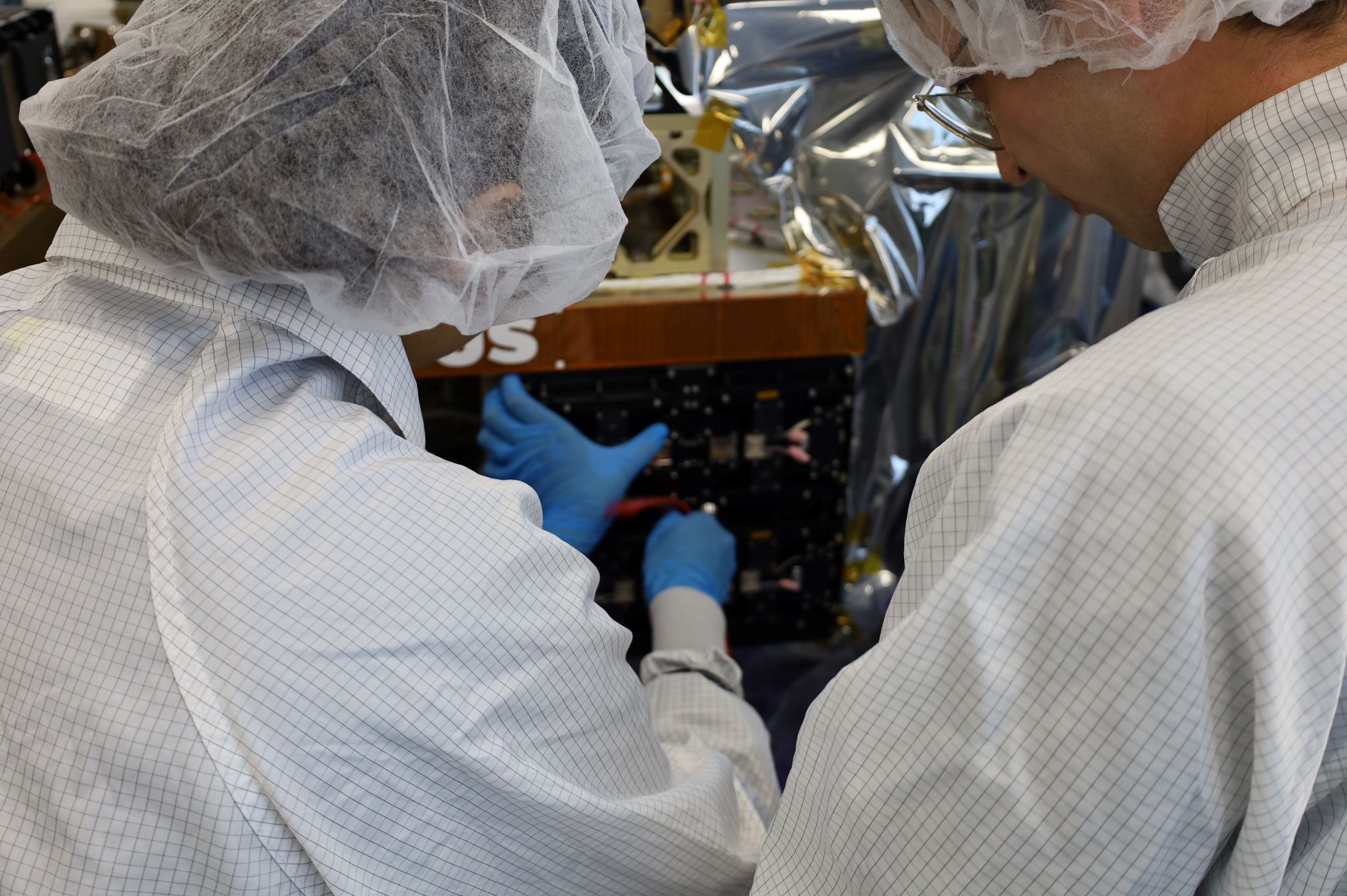
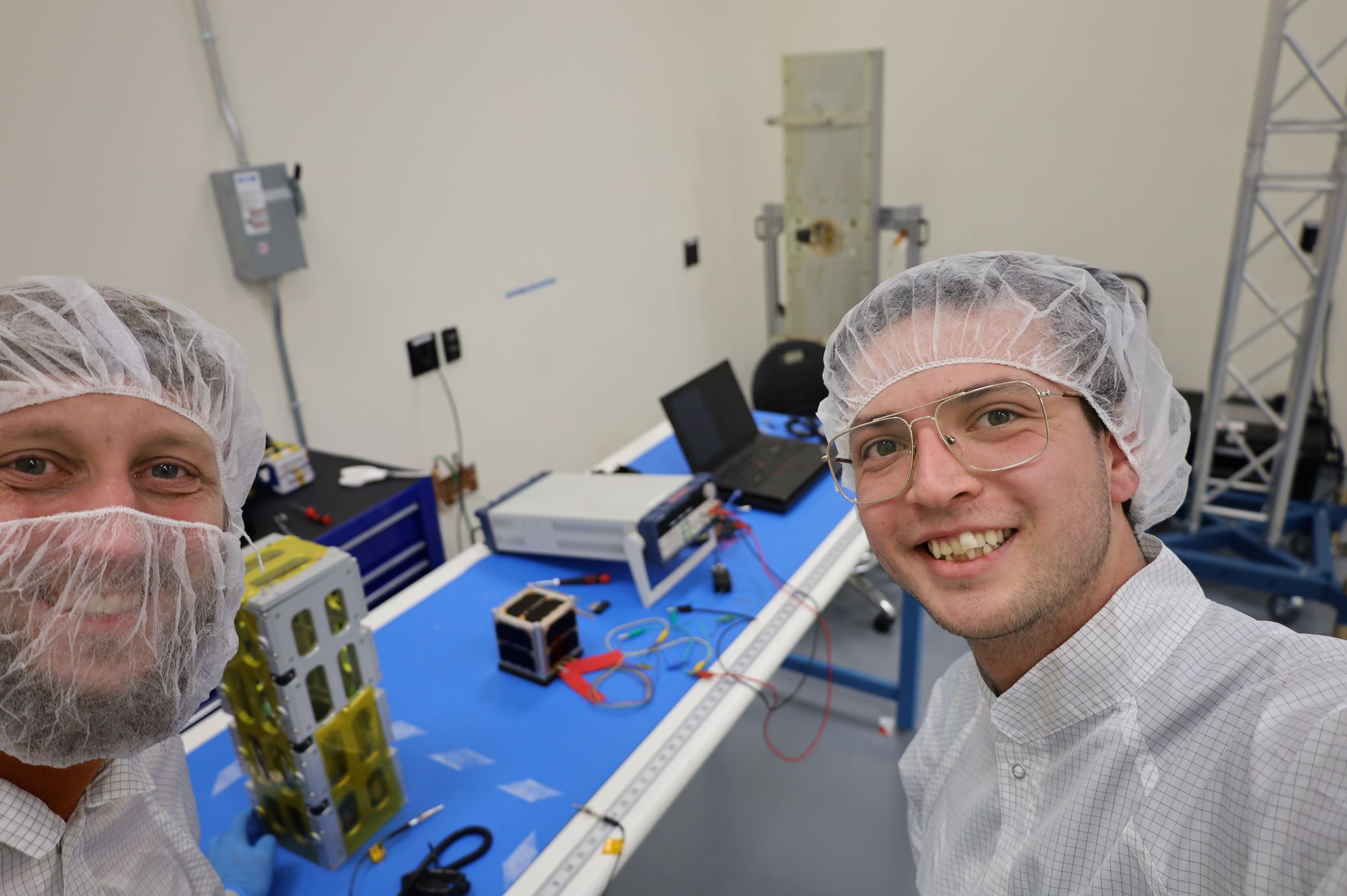
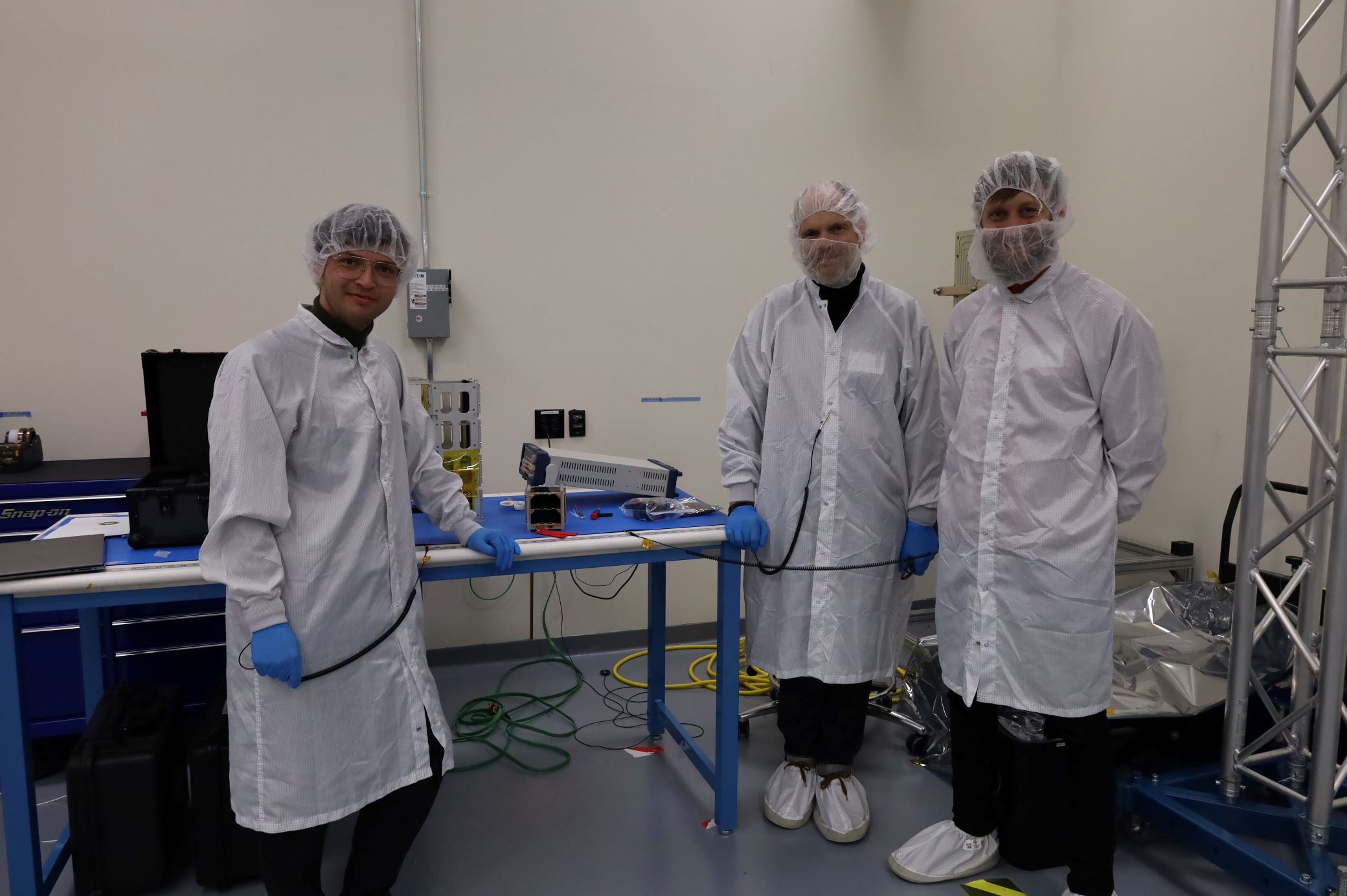
It was fully designed, assembled, and tested by Danish university students under the Danish Student CubeSat Program (DISCO).
Despite its small size, the satellite carried functional communication systems, onboard processing, and multiple student-developed experiments.

DISCO-1 carried several student-developed experiments aimed at testing new technologies in orbit:
- Machine-learning computer: A Coral Dev Board Mini with TPU coprocessor, intended to run onboard machine-learning experiments and process sensor data in space.
- Cosmic-ray / radiation experiment: A small camera-based setup designed to be used as a simple cosmic-ray detector and for other student experiments.
- UHF radio for amateur use: The UHF radio was planned to be offered as a digipeater service to the amateur-radio community, allowing radio amateurs worldwide to relay messages through the satellite.
After launch, the team experienced persistent problems with two-way communication, and DISCO-1 did not transmit regular beacons as originally planned. This meant that the in-orbit experiments could not be carried out to the full extent originally envisioned, but the project still provided crucial experience with end-to-end satellite development.
DISCO-1 was launched in April 2023 aboard a dedicated rideshare mission to Low Earth Orbit on SpaceX’s Falcon 9 Transporter-7 mission from Vandenberg Space Force Base, USA.
The satellite operated for nearly two years, completing its mission until its controlled natural re-entry, burning up in the atmosphere, in February 2025.
DISCO-1 laid the groundwork for a long-term national student space initiative.
Its success directly enabled the development of DISCO-2 and additional future missions, each building on knowledge from past missions.
Although DISCO-1’s primary payload remained untested, the mission still provided valuable lessons in CubeSat design, logistics and collaboration across multiple universities. The knowledge gained in systems integration, regulatory compliance and communications will continue to shape future DISCO missions and expand Denmark’s leadership in student-led space initiatives.
Curious to know more?
Satnogs links: DISCO-1
2026
DISCO-1 is a 1U student CubeSat hosting a UHF radio and a Coral Dev Board Mini single-board computer with a TPU coprocessor.
IARU: A 1U CubeSat mission
02.05.2022
The purpose of the mission is to launch a 1U satellite with a digital repeater to support the radio amateur society.