
Climate Eye in
Space
3U CubeSat • Designed 2021–2026 • Scheduled 2026
Mission Completed
80%
DISCO-2 focuses on climate research by capturing high-resolution images of Greenland to study glacier dynamics and environmental change. Unlike DISCO-1, which served as an educational technology mission, DISCO-2 is the first science-driven satellite in the DISCO program. The spacecraft will carry three cameras: two optical and one infrared, to observe glacier motion, snow cover, melt dynamics, and coastal ecosystems in Greenland.
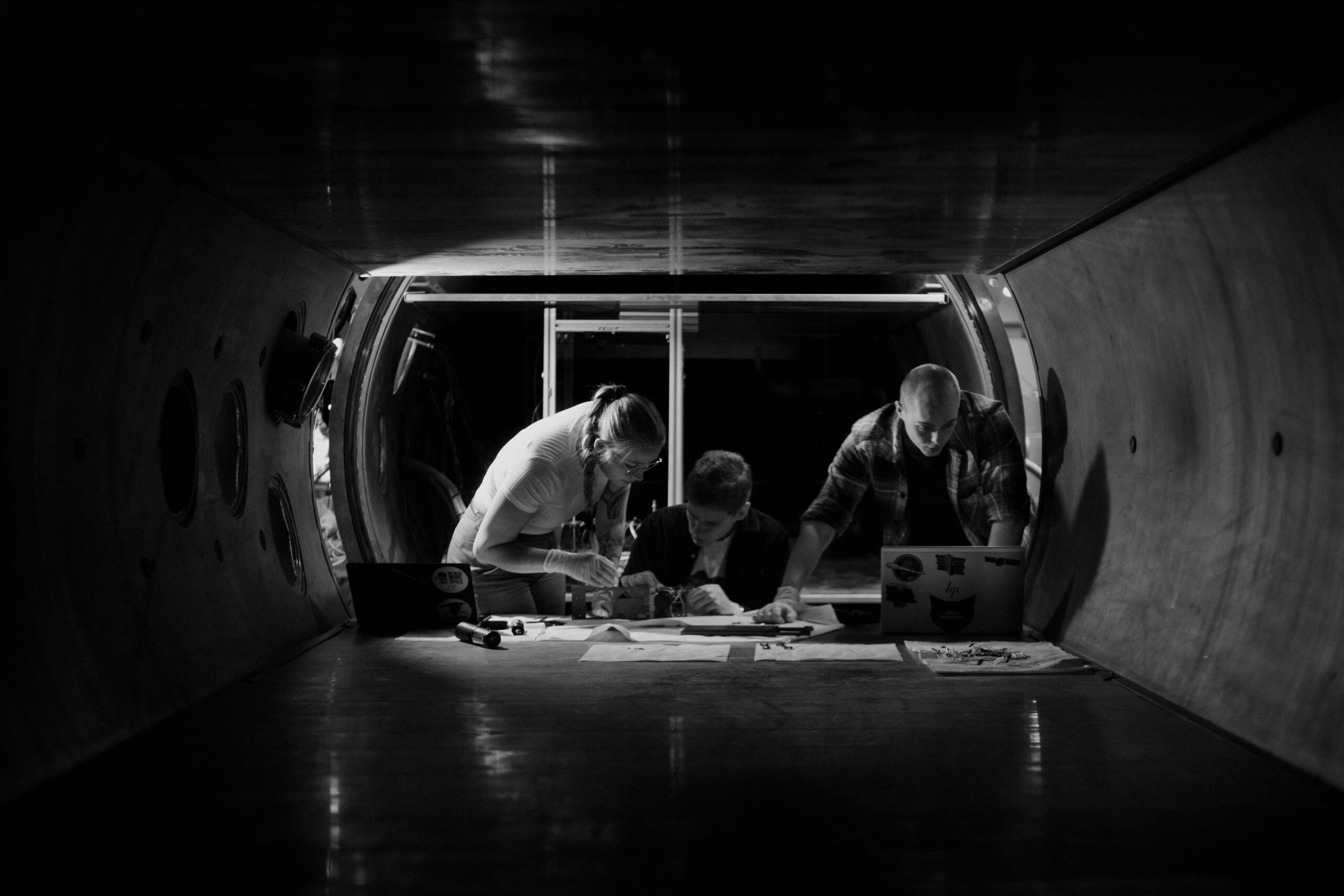
The second satellite in the DISCO program, DISCO-2, is a 3U CubeSat scheduled for launch in March 2026. Students from the three universities are involved in all aspects of the mission, from concept and design to integration, testing, and operations once the satellite is in orbit. DISCO-2 will contribute data to researchers at the Arctic Research Centre (ARC) and the Interdisciplinary Centre for Climate Change (iClimate) at Aarhus University.
The purpose is:
- To contribute to the study of climate changes by imaging specific areas on the Eastern coast of Greenland.
- To contribute to studies carried out by the Interdisciplinary Centre for Climate Change at Aarhus University using satellite images of glaciers in the Arctic.
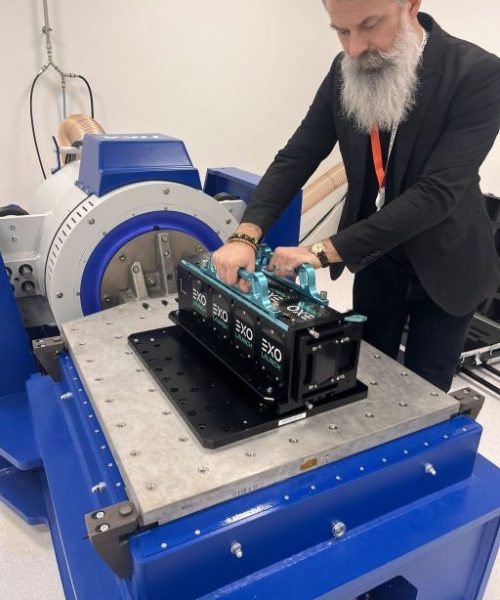
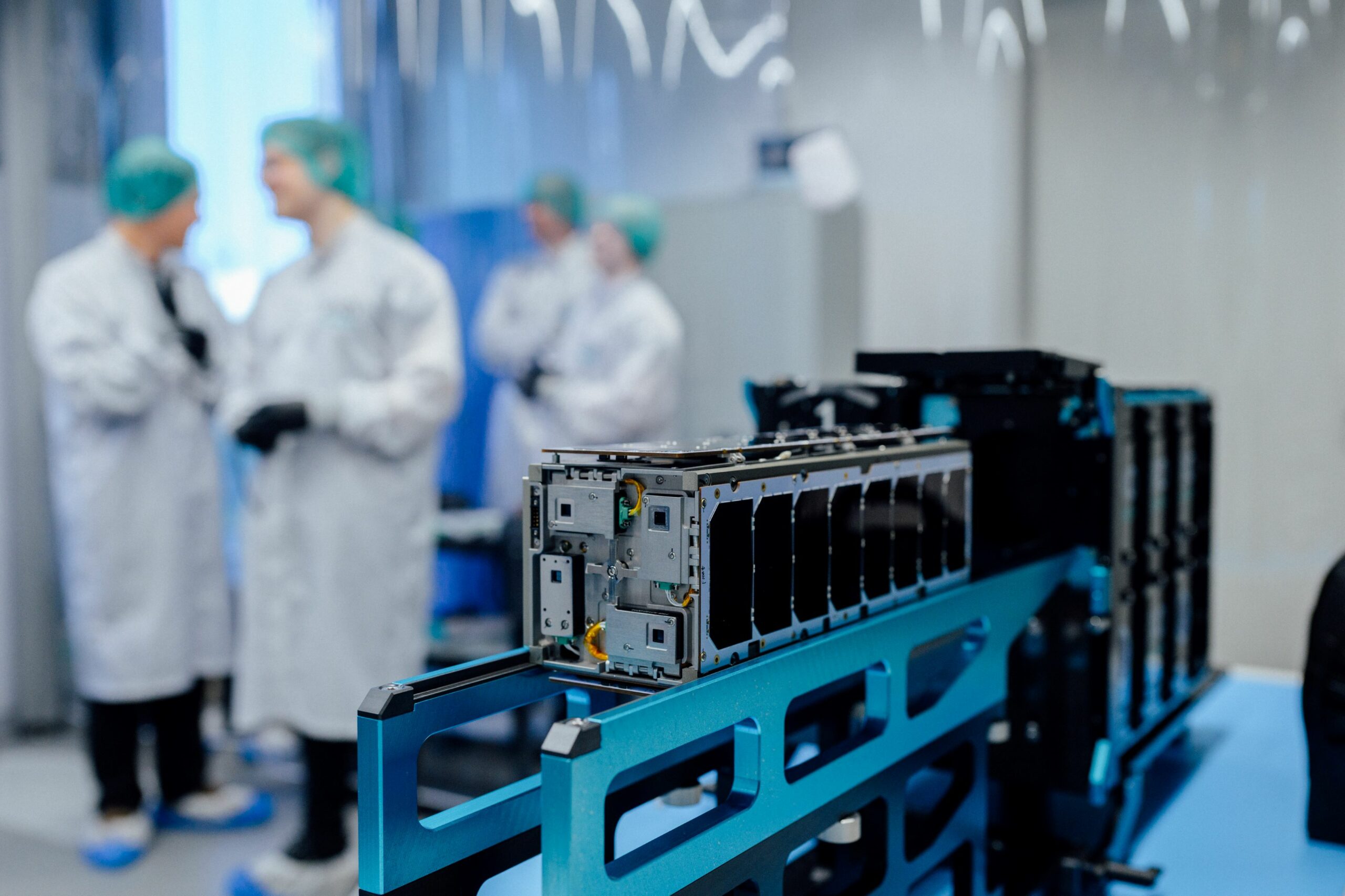
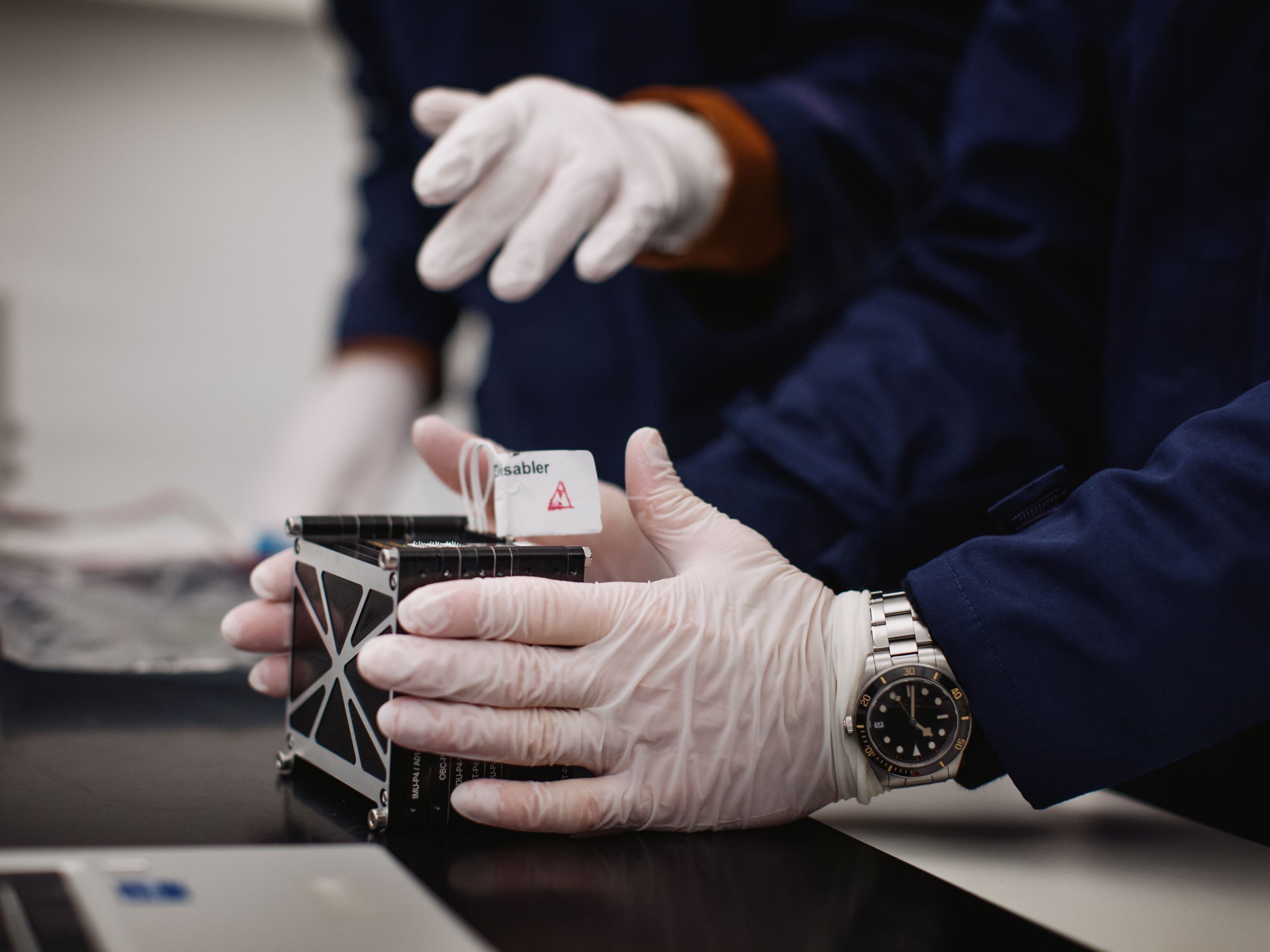
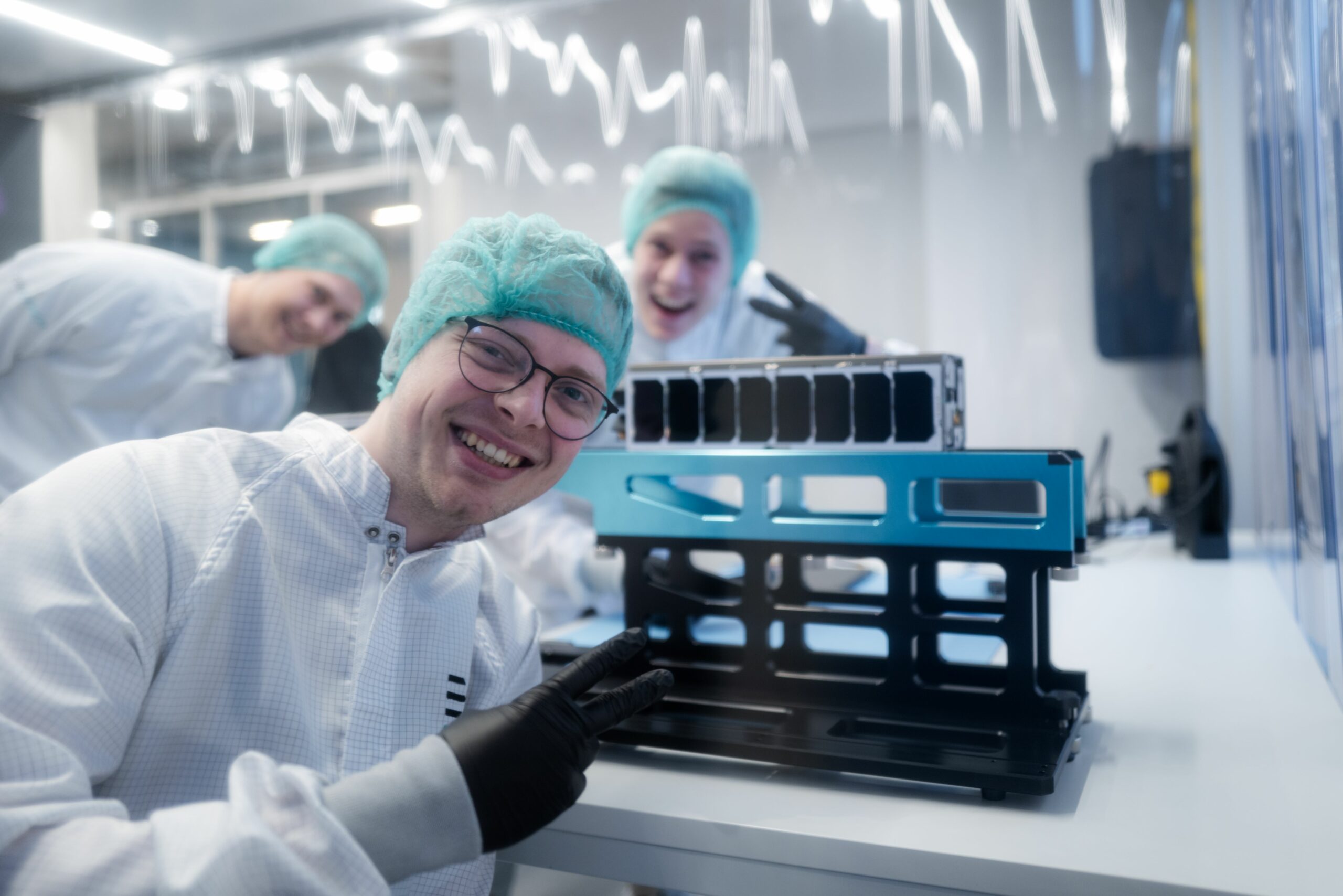
DISCO-2 is a 3U CubeSat measuring 10 × 10 x 37.4 cm.
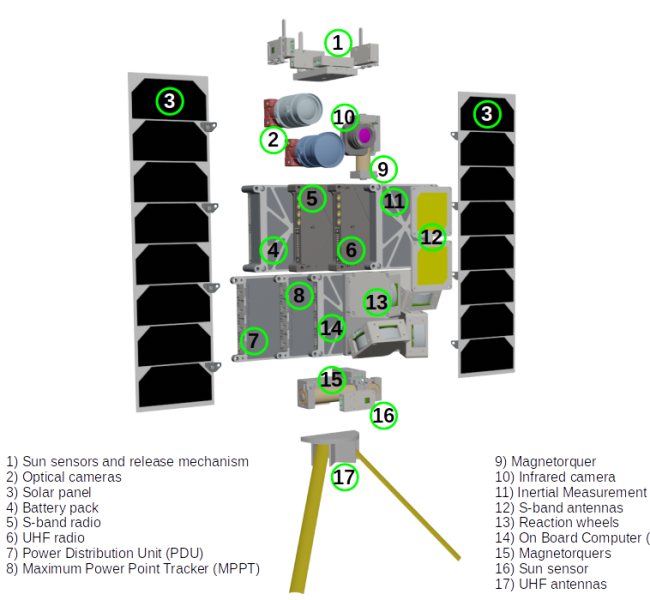
The satellite includes deployable solar panels, onboard computer, attitude-control system with reaction wheels, sun sensors, UHF/S-band radios, and three scientific cameras.
It is significantly more advanced than DISCO-1, featuring full 3-axis stabilization to enable targeted Earth observations.
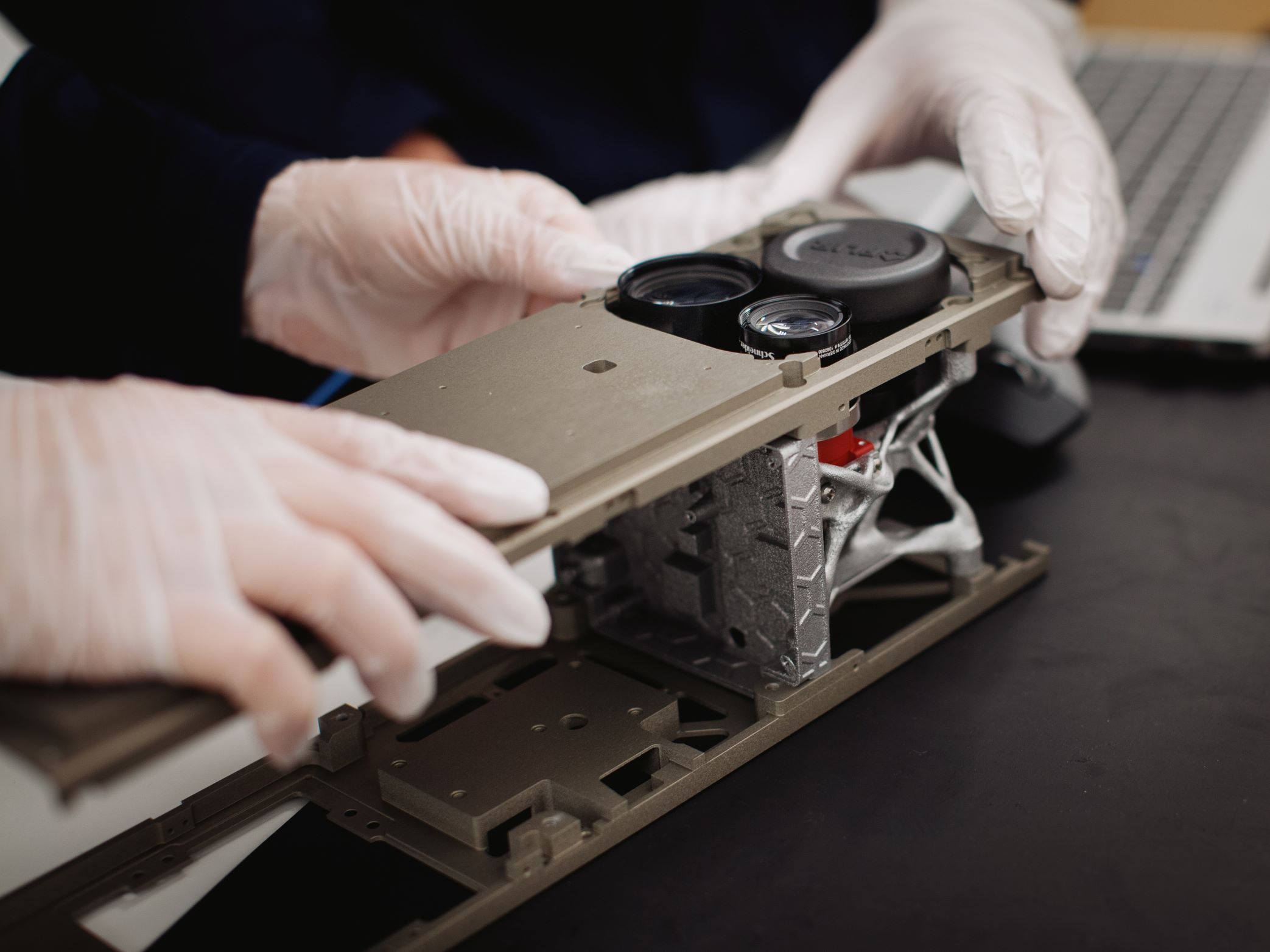
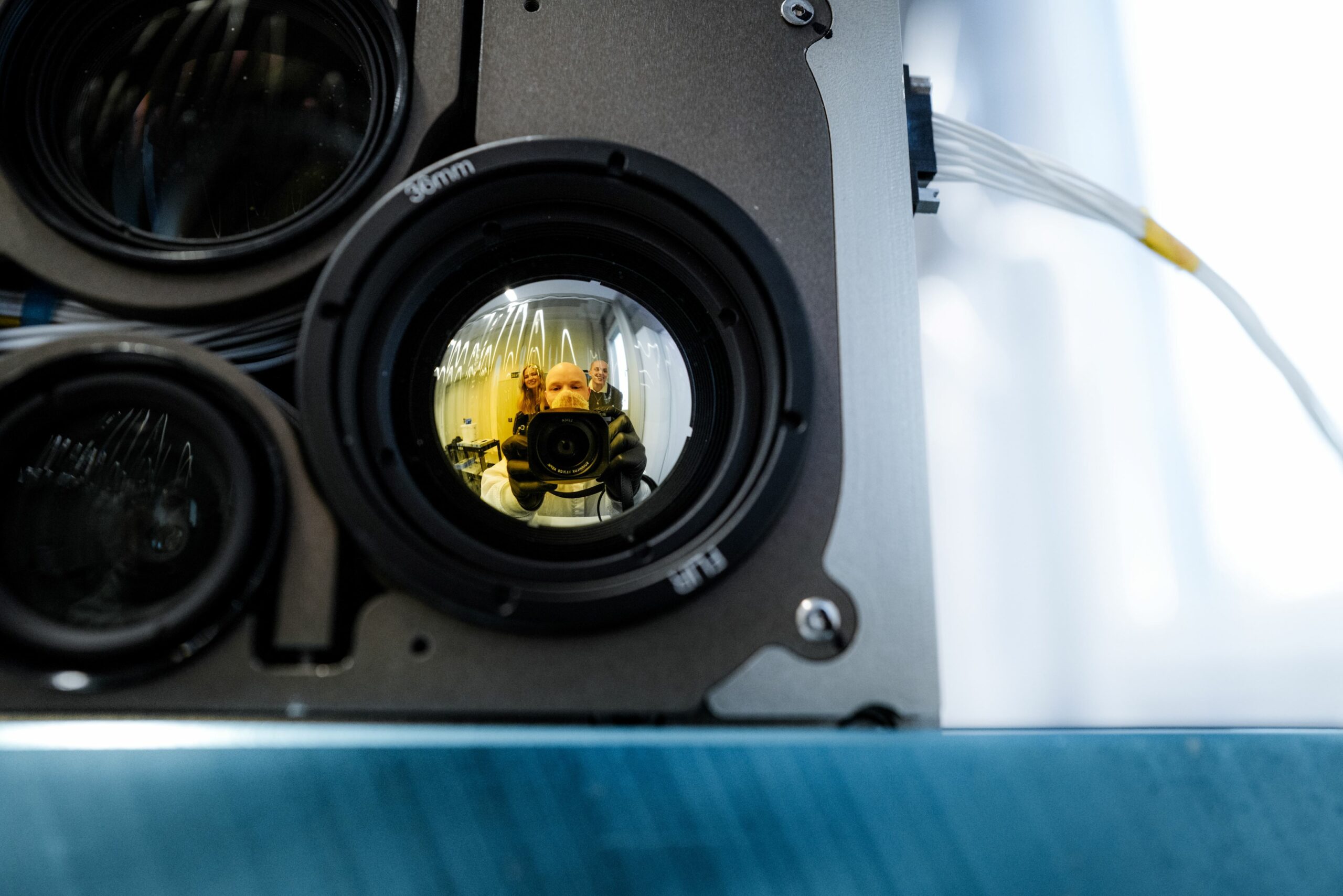
DISCO-2 carries a three-camera imaging payload consisting of:
- Two optical cameras for visual imagery, one high-resolution and one wide-field
- One Near-Infrared camera for monitoring thermal conditions
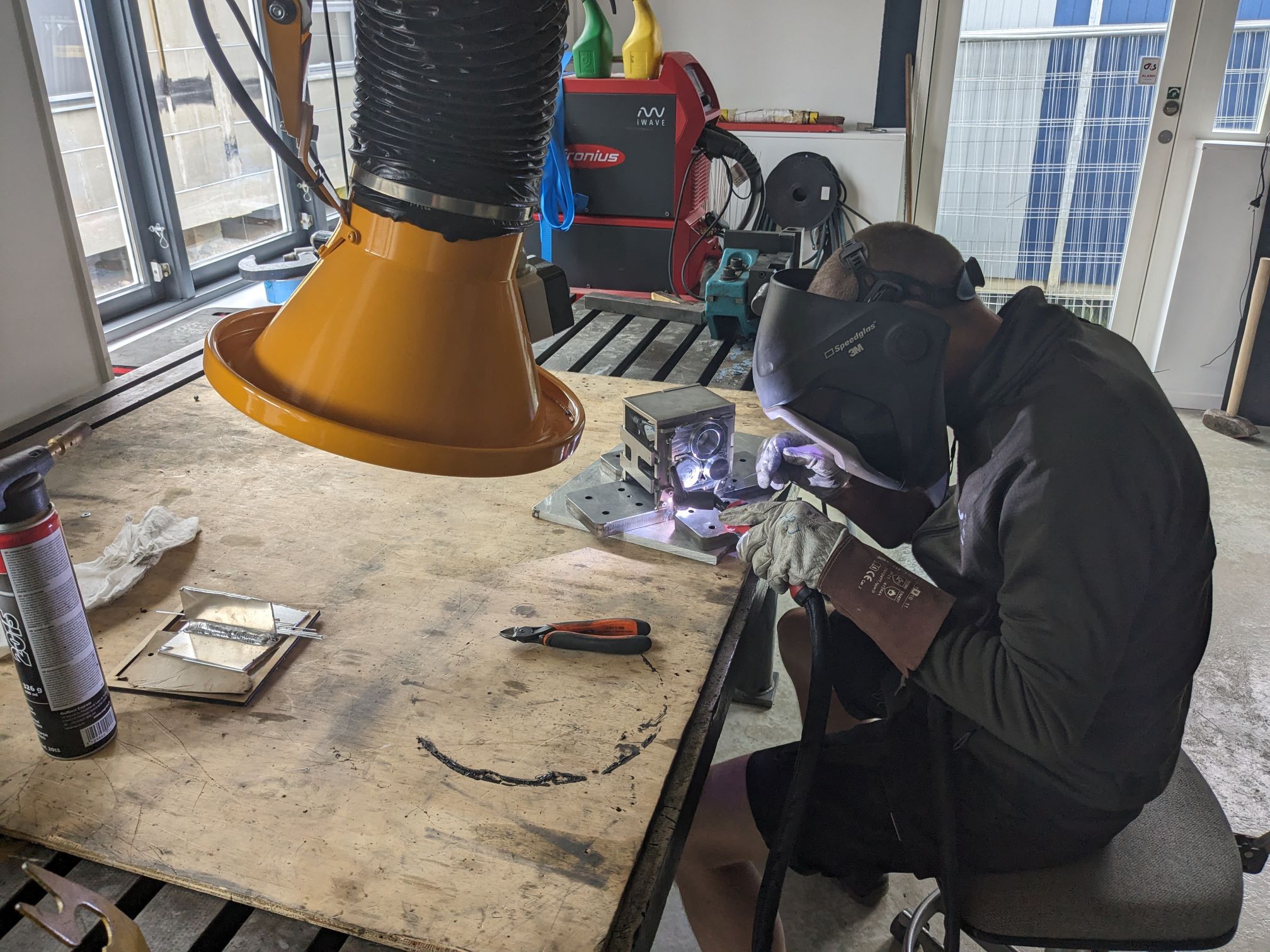
The cameras are mounted in a custom 3D-printed aluminium structure developed by students.
The payload is designed to support scientific studies of glacier flow, meltwater dynamics, sea-ice conditions, and land-water interactions in Greenland.
DISCO-2 is planned for launch in March 2026 aboard SpaceX’s Transporter-16, a rideshare mission to a sun-synchronous orbit (SSO).
The SSO altitude will be approximately 510 km, with an orbital inclination of 97.4 degrees, giving the satellite an expected lifetime of 2–5 years, depending on solar activity.
DISCO-2 paves the way for future DISCO missions focused on advanced science and technology demonstrations.
Upcoming concepts include DISCO-3 (solar panel technology demonstration) and DISCO-4, which will introduce new student-designed space systems and scientific instruments.
DISCO-2 builds on the experience gained from DISCO-1 and represents a major step forward in science-driven student missions in Denmark.
The project has strengthened collaboration across three universities and expanded national capabilities in CubeSat design, imaging payload development, testing, and mission planning.
The engineering knowledge and infrastructure developed for DISCO-2 will directly support future satellites in the DISCO program.
launch with Transporter-16
When DISCO-2 is launched with Exolaunch, the satellite will be brought into a solar-synchronous polar orbit. The height above sea level will be 510 km, which gives an expected lifetime of 2-5 years mainly depending on the Sun’s activity and the exact height of the deployment. The polar solar-synchronous orbit means that DISCO-2 will pass over a point near the poles about 15 times a day while the Earth rotates one turn under the satellite. The orbit and the Earth’s rotation fit in a way so that the satellite will pass the same point on Earth at the same time each day. The satellite’s cameras will be able to see the desired areas in Greenland during several passages both day and night. The most interesting period for studying ecosystems in Greenland is in the summer, which means that the passages are still lit up by the Sun at night.
Notice: This video was made before we expanded the satellite to 3U-size.
Climate Change
A study of Greenland’s glaciers
One of the purposes of DISCO-2 is to be able to contribute to the study of climate change. Therefore, researchers from both the Arctic Research Center (ARC) and the Interdisciplinary Center for Climate Change (iClimate) at Aarhus University have been involved and have helped point out the possibilities and their need for satellite measurements.
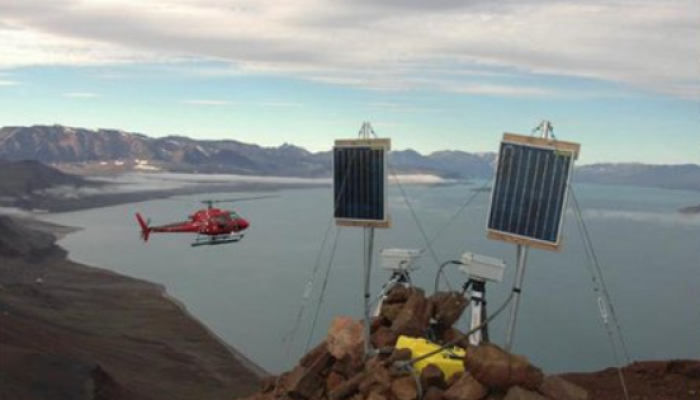
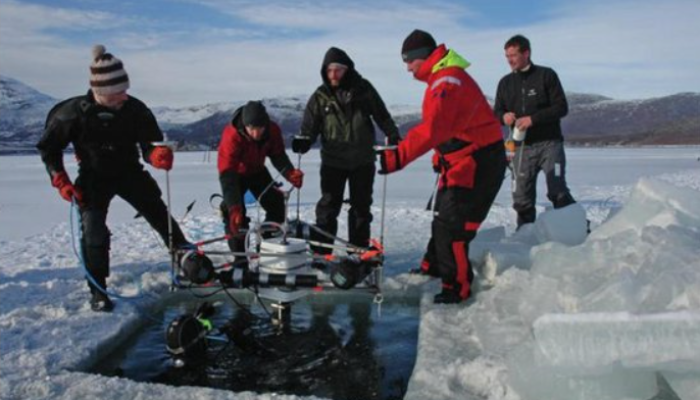
Studies of isolated land and water (eco) systems have long been carried out by measurements with different types of instruments on land or with buoys with measuring equipment on the water or even small remote-controlled submarines. On very dedicated expeditions, measurements can also be made from ships, drones, weather balloons and aircraft. The Greenland Integrated Observing System (GIOS) has created a large terrestrial network of measuring stations spread over specially selected locations in Greenland. These contribute with “ground-truth” (well-calibrated, accurate and precise) measurements which provide insight into conditions exactly where these stations are set up.
By using satellite data where one can cover larger areas, in combination with ground-truth data, the study of the impact of climate change on environments in Greenland can be scaled up and help to expand our understanding of the effect of climate change.
Curious to know more?
What to discover

DISCO-2 – an ambitious earth observing student CubeSat for arctic climate research
The severe impact of global warming, especially in the arctic region, have a multitude of consequences spanning from …

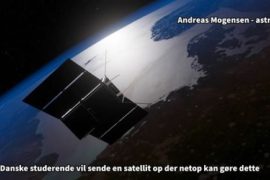
New student satellite set to launch into space with crowdfunding
Danish students at four Danish universities are now ready to kick-start the next phase of the national student satellite program DISCO.
DISCO-3